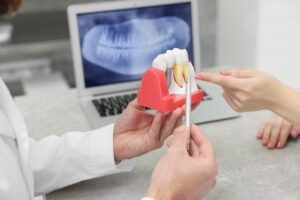

If you’ve ever wondered why do wisdom teeth have to be removed, you’re not alone. These third molars cause trouble for most people, and chances are you’ve heard at least one horror story about someone getting theirs taken out. Wisdom teeth often create problems because our jaws don’t have enough room for them anymore. Evolution has left us with smaller jaws than our ancestors, but we still get these extra teeth that try to push through in our late teens or early twenties.
Dr. David Prince and our team regularly see patients with wisdom tooth issues. While not everyone needs them removed, many do, and knowing when extraction becomes necessary can save you from serious discomfort and dental complications down the road.
What Makes Wisdom Teeth So Problematic?
Our mouths typically have space for 28 teeth, but wisdom teeth try to squeeze in as numbers 29 through 32. When there’s no room at the inn, these teeth stay trapped beneath the gums (impacted) or come in at weird angles. Neither situation ends well.
Impacted wisdom teeth can press against neighboring molars, causing pain and potentially damaging those perfectly good teeth. They create pockets where bacteria love to hang out, leading to infections, gum disease, and decay. Sometimes they partially break through the gum line, creating a flap of tissue that traps food and becomes a breeding ground for problems.
Signs You Might Need Wisdom Teeth Extraction
Your body usually sends clear signals when wisdom teeth become a problem. Pain and swelling in the back of your mouth are obvious red flags. You might notice your jaw feels stiff or that chewing becomes uncomfortable on one side.
Other warning signs include:
- Recurring infections or bad breath that won’t go away
- Red, swollen, or bleeding gums around your back molars
- Jaw pain or headaches that seem connected to your teeth
- Crowding that threatens the alignment of your other teeth
Sometimes wisdom teeth cause issues without obvious symptoms. That’s why regular dental check-ups with our experienced staff matter greatly—X-rays can reveal problems before they become painful emergencies.
Why Do Wisdom Teeth Have to Be Removed Rather Than Left Alone?
Some argue that if wisdom teeth aren’t bothering you, why not leave them be? The problem is that these teeth often cause damage silently. When you feel pain, it may have harmed neighboring teeth or created significant decay.
Preventive removal—especially for younger patients—typically means easier recovery and fewer complications. Younger bone heals faster, and wisdom teeth that haven’t fully developed yet come out more easily. Dr. Prince often recommends evaluation in the mid to late teenage years because this timing works in your favor.
Leaving problematic wisdom teeth in place can lead to cysts, tumors, or damage that requires more extensive treatment later. If you’ve already invested in orthodontic work, erupting wisdom teeth can undo all that progress by pushing your other teeth out of alignment.
The Extraction Process: What Actually Happens
Understanding wisdom teeth extraction helps take away some of the fear. The procedure is routine, and modern techniques make it much more comfortable than you imagine.
Sedation dentistry options allow anxious patients to relax completely during the procedure. Many people don’t remember the appointment at all. The extraction process varies depending on whether the wisdom teeth have erupted or remain impacted beneath the gums.
Simple extractions for fully erupted teeth take minutes. Impacted teeth require more work—your dentist makes a small incision, removes any bone blocking access to the tooth, and carefully extracts it. The whole thing sounds worse than it feels, especially with proper numbing and sedation.
Recovery typically takes a few days to a week. You’ll want to stick with soft foods, use ice packs to manage swelling, and follow your dentist’s instructions carefully. Most people return to normal activities within three to five days.
When Keeping Your Wisdom Teeth Makes Sense
Not everyone needs their wisdom teeth removed. If yours come in straight, you have enough space, you can clean them properly, and they’re not causing problems, they might be keepers. Regular monitoring ensures they stay healthy.
What sets us apart at Prince Dental Group is our commitment to personalized care. We don’t recommend unnecessary procedures. If your wisdom teeth work fine, we’ll help you maintain them through preventive care.
Beyond Wisdom Teeth: Comprehensive Dental Care
Sometimes, wisdom teeth extraction is just one part of addressing broader dental concerns. If these teeth have caused damage, you might need additional work, like crowns to restore affected molars or cosmetic dentistry to perfect your smile afterward.
Full mouth reconstruction can restore function and appearance for patients with extensive damage from long-ignored wisdom teeth. The good news is that modern dentistry offers solutions for virtually any problem wisdom teeth create.
Take Control of Your Oral Health Today
Why do wisdom teeth have to be removed? Because leaving problematic ones in place often leads to bigger issues down the road. The best approach involves evaluation, honest conversation about your situation, and making informed decisions about your dental health.Don’t wait until you’re dealing with pain or infection. Book your appointment online with Prince Dental Group today. We’ll evaluate your wisdom teeth, discuss your options, and create a plan to keep your smile healthy for years.